Your development team builds something great. Your operations team then spends weeks trying to deploy it without breaking everything else. Deadlines slip. Fingers get pointed. Customers wait. And somewhere in the middle of all that frustration, someone asks the question that should have been asked much earlier: why are our development and operations teams working against each other instead of together?
That is exactly the problem DevOps was designed to solve. And when you bring DevOps into cloud infrastructure management, the results go far beyond fixing team dynamics. You get faster deployments, more reliable systems, lower costs, and an infrastructure that can actually keep up with the pace of your business.
This article explains how DevOps transforms the way organisations manage their cloud infrastructure, which tools make the biggest difference, and why the companies adopting these practices are pulling ahead of those that have not yet made the shift.
Whether you are a startup building your first cloud environment or an enterprise looking to modernise how your infrastructure runs, this guide will give you a clear and honest picture of what is possible.
What DevOps Actually Means in the Context of Cloud Infrastructure
The term gets used loosely, so let us be precise. DevOps is a culture, a set of practices, and a collection of tools that brings software development teams and IT operations teams together to work as one unified function rather than two separate departments.
In the context of DevOps cloud infrastructure, this means:
- Development and operations teams share responsibility for how systems are built, deployed, and maintained
- Processes that used to require manual handoffs between teams become automated workflows
- Infrastructure is treated like software, defined in code, version controlled, and tested
- Monitoring and feedback loops give teams real-time visibility into how systems are performing
- Problems are identified and fixed faster because the people who built the system are also the ones responsible for keeping it running
DevOps and cloud computing are a natural fit. Cloud platforms provide the flexibility and programmability that DevOps practices depend on. And DevOps provides the discipline and automation that makes cloud infrastructure manageable at scale.
Without DevOps, cloud environments tend to grow into sprawling, inconsistent, expensive messes. With it, they become reliable, efficient, and genuinely competitive assets.
Why Cloud Infrastructure Without DevOps Becomes a Problem
To appreciate what DevOps brings, it helps to understand what cloud infrastructure management looks like without it.
Here is what most teams experience before adopting DevOps practices:
- Servers are configured manually, which means every environment is slightly different and inconsistency causes bugs that are nearly impossible to trace
- Deployments are nerve-wracking events that require significant coordination and often result in downtime
- Infrastructure changes are undocumented, which means nobody is entirely sure what is running where or why
- Scaling up to handle increased demand takes hours or days instead of minutes
- Cloud costs grow unpredictably because nobody has full visibility into what resources are actually being used
- Security patches and updates are applied inconsistently, creating vulnerabilities across the environment
These are not just technical inconveniences. They are business risks. Downtime costs money. Security breaches cost even more. And slow deployments mean slower innovation, which costs market position.
DevOps infrastructure management addresses every one of these problems systematically.
Infrastructure as Code: The Foundation of Everything
If there is one concept that sits at the heart of how DevOps transforms cloud infrastructure, it is infrastructure as code, commonly referred to as IaC.
Infrastructure as code means treating your infrastructure exactly as you would treat your application code. Instead of clicking through a cloud console to set up a server, you write a script that defines exactly what that server should look like. That script can be version controlled, reviewed, tested, and reused.
The benefits are significant:
- Every environment, development, testing, staging, and production can be created identically from the same code
- Changes to infrastructure go through the same review process as changes to application code
- You can roll back infrastructure changes just as you can roll back code
- New team members can understand exactly how the infrastructure is set up by reading the code
- Provisioning a new environment that used to take days takes minutes
Terraform cloud infrastructure is one of the most widely used tools for implementing infrastructure as code. It works across AWS, Azure, Google Cloud, and many other providers, allowing teams to define their entire cloud environment in simple configuration files.
Ansible DevOps automation is another popular tool, particularly for configuration management, ensuring that servers are set up consistently and remain in the desired state over time.
Together, tools like these make cloud provisioning and automation not just possible but reliable and repeatable.
CI/CD Pipelines: How DevOps Makes Deployments Fast and Safe
One of the most visible improvements that DevOps brings to cloud infrastructure is in how software gets deployed. The continuous integration and continuous delivery pipeline, widely known as the CI/CD pipeline, is the mechanism that makes frequent, reliable deployments possible.
Here is how it works:
- A developer pushes code to the shared repository
- Run automated tests immediately to ensure nothing is broken.
- Build and package the code automatically for deployment after the tests pass.
- The deployment goes through staging environments automatically before reaching production
- Monitoring kicks in immediately after deployment to catch any issues
The entire process, from code push to production deployment, can happen in minutes with a well-configured CI/CD pipeline. What used to require a dedicated release window, a team of engineers on standby, and fingers crossed now happens dozens of times per day without drama.
Jenkins CI/CD pipeline cloud setup is one of the most common implementations, particularly for teams working across AWS DevOps infrastructure and Azure DevOps cloud management environments. Jenkins integrates with virtually every tool in the DevOps ecosystem and gives teams enormous flexibility in how they structure their delivery processes.
Faster cloud deployments with DevOps are not just about convenience. They mean faster delivery of features to customers, faster fixes for bugs, and faster response to market changes.
Kubernetes and Docker: Managing Containers at Scale
Modern cloud applications increasingly run in containers, and Kubernetes infrastructure management alongside Docker containerization DevOps has become central to how DevOps teams manage cloud environments at scale.
Kubernetes takes container management to the next level by:
- Automatically distributing containers across available infrastructure
- Scaling the number of running containers up or down based on demand
- Restarting containers that fail without human intervention
- Managing rolling updates so new versions deploy without downtime
- Providing a consistent layer of abstraction across different cloud environments
For teams managing complex cloud infrastructure, Kubernetes infrastructure management brings a level of automation and reliability that manual approaches simply cannot match.
Docker containerization DevOps combined with Kubernetes creates an environment where infrastructure scalability with DevOps becomes almost automatic. When traffic spikes, the system responds. When demand drops, resources are released and costs come down.
Cloud Cost Optimization with DevOps Practices
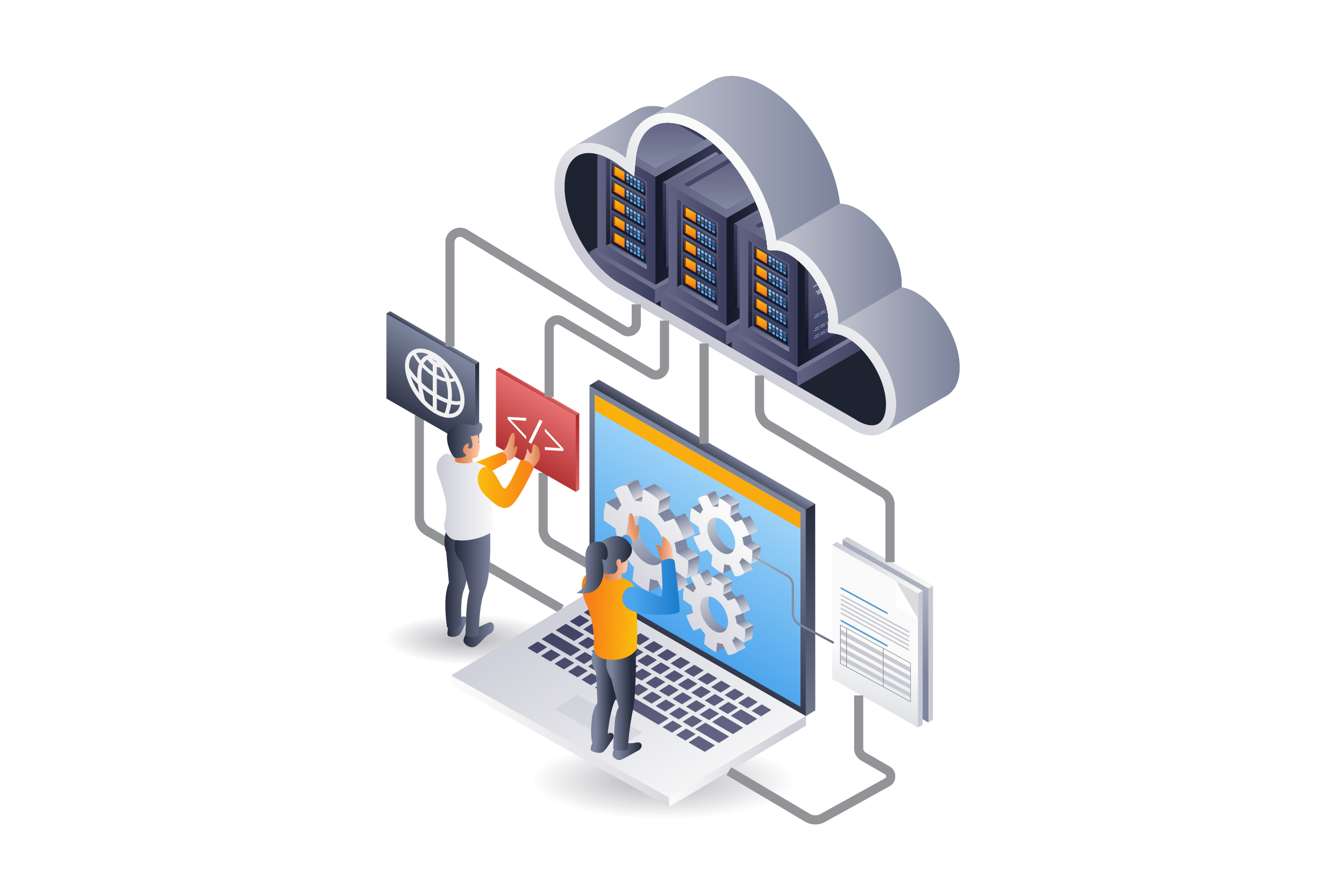
One of the most financially significant benefits of DevOps in cloud environments is the impact on cost. Cloud bills have a way of growing quietly and dramatically if nobody is paying close attention to resource usage.
DevOps practices address cloud cost optimization in several ways:
Cloud cost optimization with DevOps is not about cutting corners. It is about eliminating waste while maintaining or improving performance. Many organisations discover when they first implement DevOps practices that they have been paying for significantly more cloud capacity than they actually need.
The savings can be substantial and can often fund further investment in DevOps tooling and capability.
Site Reliability Engineering: Keeping Systems Running Smoothly
Site reliability engineering, widely known as SRE, is a discipline that emerged from Google and has become closely associated with DevOps cloud infrastructure management. SRE applies software engineering principles to operations problems, with the goal of building and running systems that are inherently reliable.
Key SRE practices that complement DevOps include:
- Defining service level objectives that set clear targets for reliability and performance
- Tracking error budgets that balance the speed of new feature releases with the stability of existing systems
- Conducting blameless post-mortems after incidents to learn what went wrong without creating fear
- Automate toil by using scripts and tools to handle repetitive, manual operational work.
- Build observability into systems from the start so teams can diagnose problems quickly.
Reducing cloud downtime with DevOps is one of the clearest outcomes of combining SRE principles with strong DevOps practices. When incidents do occur, teams with good observability and automated monitoring detect them faster, respond faster, and restore service faster.
Automated cloud monitoring DevOps tools like Prometheus, Grafana, Datadog, and CloudWatch give teams real-time visibility into every layer of their infrastructure, from individual container health to overall service performance.
Cloud Security with DevOps Practices
Security is one of the most critical and most commonly neglected aspects of cloud infrastructure management. DevOps improves security through DevSecOps by integrating security into the development and operations process instead of adding it at the end.
Cloud security with DevOps practices means:
- Automate security checks in the CI/CD pipeline to catch vulnerabilities before code reaches production.
- Scan infrastructure code for misconfigurations that could expose data or create access risks.
- Define access controls and permissions in code, then review them like any other change.
- Encode compliance requirements into infrastructure templates so every new environment meets standards automatically.
- Security monitoring runs continuously, not just during scheduled audits
Eliminating infrastructure bottlenecks with DevOps extends into security as well. Build security into the workflow as a shared responsibility instead of treating it as a separate gatekeeping function, so teams can move faster and more safely.
DevOps for Multi-Cloud and Cloud-Native Environments
Many organisations today do not run on a single cloud provider. They use a multi-cloud management strategy that spreads workloads across AWS, Azure, Google Cloud, or other providers based on cost, capability, or resilience requirements.
DevOps practices are essential for making multi-cloud environments manageable:
- Infrastructure as code with tools like Terraform works across multiple cloud providers from a single codebase
- Container-based architectures with Kubernetes run consistently regardless of which cloud provider is underneath
- Centralised monitoring and observability tools give teams visibility across all environments in one place
-
Standardized CI/CD pipelines support application deployments across any environment
Cloud-native development practices, including microservices architecture cloud deployments and serverless computing DevOps approaches, add further complexity that DevOps practices help manage effectively.
Serverless computing DevOps allows teams to run code without managing the underlying infrastructure at all, with the cloud provider handling scaling and availability automatically. DevOps practices ensure that serverless deployments are as well-tested and monitored as any other part of the system.
DevOps Transformation and Cloud Adoption for Enterprises and Startups
The path to effective DevOps cloud infrastructure looks different depending on where an organisation is starting from.
For startups, cloud infrastructure management for startups with DevOps practices from day one is a significant competitive advantage. Building the right habits and tooling early avoids the painful and expensive technical debt that comes from scaling a poorly structured infrastructure.
For enterprises, the DevOps transformation cloud adoption journey is often more complex. Legacy systems, large teams with established habits, and complex regulatory requirements all create challenges. But the benefits are even more significant at scale.
Enterprise DevOps cloud strategy typically involves:
- Starting with pilot projects that demonstrate value before full-scale adoption
- Investing in training and culture change alongside tooling
- Building internal DevOps expertise through a platform engineering or DevOps team cloud collaboration model
- Standardising tooling and practices across teams to avoid fragmentation
Agile infrastructure management, combining DevOps principles with agile ways of working, gives large organisations the ability to move with the speed and responsiveness of much smaller teams.
How Prismatic Technologies Helps You Master Cloud Infrastructure with DevOps
Your DevOps and Cloud Infrastructure Partner
Prismatic Technologies is a technology solutions company that specialises in helping organisations design, implement, and optimise DevOps practices for cloud infrastructure management. Whether you are building your first cloud environment or transforming a complex enterprise infrastructure, the team brings the expertise and practical experience to make it work.
End-to-End DevOps Implementation
From setting up your first CI/CD pipeline to implementing full infrastructure as code with Terraform and Ansible, Prismatic Technologies handles the complete DevOps journey. The team works alongside your engineers, not just handing over documentation but building the capability your team needs to own and operate the systems confidently.
Cloud Platform Expertise Across AWS, Azure, and Google Cloud
The Prismatic Technologies team has hands-on experience with AWS DevOps infrastructure, Azure DevOps cloud management, and Google Cloud DevOps tools. Whichever platform you are working on, the expertise is there.
Kubernetes, Docker, and Container Orchestration
Setting up and managing containerised environments requires specific expertise. Prismatic Technologies helps teams implement Docker containerization DevOps workflows and Kubernetes infrastructure management that are production-ready, secure, and scalable from day one.
Cloud Cost Optimization and Security
Beyond getting your infrastructure running, Prismatic Technologies helps you keep it running efficiently and securely. Every engagement includes cloud cost optimization with DevOps practices and cloud security with DevOps approaches instead of treating them as afterthoughts.
Ongoing Support and DevOps Maturity Growth
Prismatic Technologies stays with you beyond the initial implementation, helping your team continuously improve, adopt new tools, and mature your DevOps practices as your business grows and your infrastructure evolves.
Visit www.prismatic-technologies.com to learn more about how Prismatic Technologies can help your organisation harness the full power of DevOps for cloud infrastructure management.
FAQs
What is DevOps and how does it improve cloud infrastructure management?
DevOps is a combination of cultural practices, processes, and tools that unify software development and IT operations. It improves cloud infrastructure management by automating deployments, standardising environments through infrastructure as code, enabling continuous monitoring, and creating faster feedback loops that catch and resolve problems before they impact users.
What the main DevOps tool used for cloud infrastructure?
The most widely used tools include Terraform for infrastructure as code, Ansible for configuration management, Jenkins for CI/CD pipelines, Docker for containerization, Kubernetes for container orchestration, and monitoring tools like Prometheus and Grafana. The right combination depends on your specific cloud environment and team requirements.
How does DevOps reduce cloud costs?
DevOps reduces cloud costs through automated scaling that ensures you only pay for resources you are actually using, infrastructure as code that eliminates forgotten and idle resources, and monitoring tools that surface waste. Many organisations find significant cost reductions when they first implement proper DevOps practices.
Is DevOps only suitable for large enterprises?
Not at all. Cloud infrastructure management for startups with DevOps practices from the beginning is one of the smartest investments a young technology company can make. The practices scale from small teams to large enterprises and are valuable at every stage of growth.
How long does it take to implement DevOps for cloud infrastructure?
Basic DevOps practices like setting up a CI/CD pipeline and implementing infrastructure as code can be in place within weeks. Building a mature DevOps culture and capability across a larger organisation typically takes six to eighteen months of sustained effort. Prismatic Technologies helps organisations move through this journey as efficiently as possible.
What is the difference between DevOps and site reliability engineering?
DevOps is a broader cultural and organisational approach to unifying development and operations. Site reliability engineering is a specific discipline within that broader context, focused particularly on reliability, performance, and the operational health of production systems. The two are highly complementary and implemented together.
How does Prismatic Technologies help with DevOps cloud infrastructure?
Prismatic Technologies provides end-to-end DevOps implementation services, including infrastructure as code setup, CI/CD pipeline development, container orchestration with Kubernetes, cloud security, cost optimization, and ongoing support. Additionally, the team works across AWS, Azure, and Google Cloud environments to deliver scalable and reliable solutions. Whether you are modernizing existing infrastructure or building a new cloud-native platform, Prismatic Technologies can help. To learn more or discuss your specific requirements, visit www.prismatic-technologies.com